
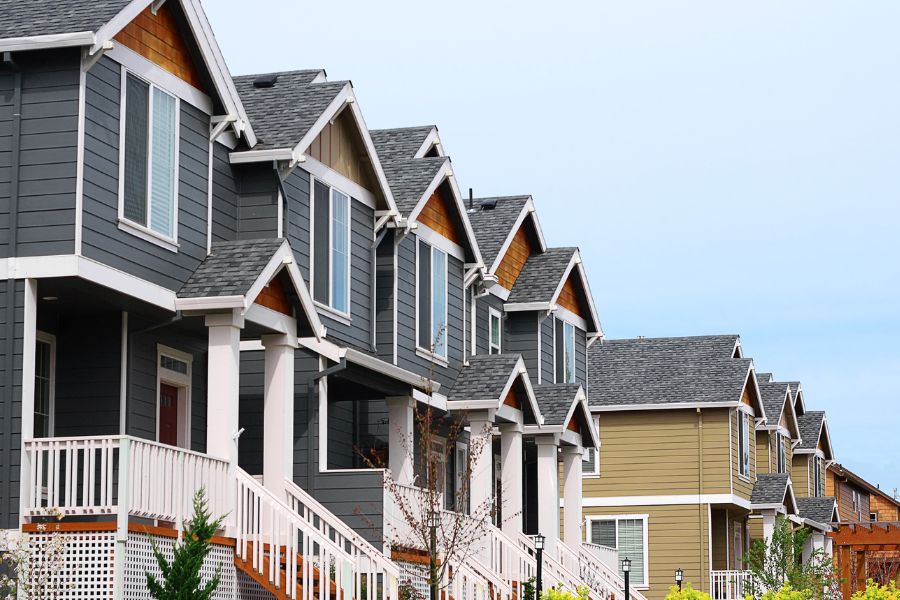
Buying a home is one of the biggest financial and emotional decisions you’ll ever make, and nowhere is that more true than in Northern Virginia. With its mix of historic towns, booming suburbs, top-rated schools, and close proximity to Washington, D.C., the region offers no shortage of options — which is exactly why comparing Northern Virginia homes can feel overwhelming. From Arlington’s high-rise condos to Loudoun County’s sprawling single-family properties, every neighborhood has its own personality, price point, and pace of growth.
If you’re currently browsing homes for sale in Northern Virginia, it’s easy to get swept up in photos and listing descriptions. But a smart buyer knows that comparing homes goes far beyond square footage and curb appeal. This guide breaks down exactly what to look for so you can make a confident, informed decision.
1. Understand the Northern Virginia Real Estate Market First
Before you even start touring properties, take time to understand the broader Northern Virginia real estate market. Is it currently a buyer’s market or a seller’s market? Are homes selling above or below the asking price? How many days, on average, are homes staying on the market?
This context matters because it shapes your negotiating power. In a hot seller’s market, you may need to move quickly and make competitive offers with fewer contingencies. In a more balanced or buyer-friendly market, you’ll have room to negotiate on price, closing costs, or repairs. A knowledgeable local agent can walk you through current absorption rates, inventory levels, and pricing trends so you’re not comparing homes in a vacuum.
2. Compare Northern Virginia Home Prices Realistically
One of the most common mistakes buyers make is comparing homes purely by list price without digging deeper into the numbers. Northern Virginia home prices vary dramatically depending on the jurisdiction, school district, lot size, and proximity to Metro stations or major commuter routes.
When comparing prices, look at:
- Price per square foot — this normalizes comparisons between homes of different sizes.
- Recent comparable sales (comps) in the same neighborhood, not just the county.
- Price history — has the home been relisted or had multiple price drops?
- HOA fees and property taxes, which can significantly affect your true monthly cost.
Two homes listed at the same price can have very different long-term value depending on these hidden factors, so always ask your agent to pull comps before you fall in love with a number.
3. Dig Into Northern Virginia Neighborhoods
Northern Virginia isn’t one market — it’s dozens of distinct communities, each with its own character. Comparing Northern Virginia neighborhoods is often more important than comparing individual houses, because the neighborhood determines your daily quality of life, commute, and long-term appreciation potential.
Consider factors like:
- Commute time to your workplace or nearest Metro/VRE station
- School district ratings, even if you don’t have children, since this affects resale value
- Walkability and access to parks, trails, and shopping
- Future development plans — new construction, transit expansion, or zoning changes nearby
- Community feel — is it family-oriented, urban and social, or quiet and rural?
Spend time actually visiting neighborhoods at different times of day. A street that feels peaceful on a Sunday morning might be a very different experience during weekday rush hour.
4. Evaluate the Home’s Condition and Age
Once you’ve narrowed down a neighborhood and price range, it’s time to compare the physical condition of each home. Pay close attention to:
- Roof age and condition — replacement can cost thousands of dollars
- HVAC system age — Northern Virginia summers and winters both demand reliable systems
- Foundation and basement — look for cracks, moisture, or signs of past water damage
- Electrical and plumbing updates, especially in older homes in established areas
- Windows and insulation, which impact energy costs
Older homes often have more character and larger lots, but may require more maintenance. Newer construction typically offers modern efficiency but sometimes comes with smaller yards or higher HOA restrictions. Neither is inherently better — it depends on your priorities and budget for upkeep.
5. Factor In Northern Virginia Housing Market Trends
Understanding current Northern Virginia housing market trends helps you compare not just where a home stands today, but where it’s likely headed. Look into:
- Historical appreciation rates in the specific ZIP code
- New construction and development planned nearby
- Employment growth, particularly from major employers like Amazon HQ2, government contractors, and tech companies expanding in the region
- Interest rate trends and how they’re affecting buyer demand
- Inventory trends — is supply increasing or shrinking?
A home in an area with strong projected growth may cost more upfront but could offer better long-term value than a cheaper home in a stagnant market.
Also Read : How Strategic Marketing Helps Sell Your Home Faster
6. Compare Lifestyle Fit, Not Just Specs
Finally, don’t underestimate the importance of lifestyle fit when comparing homes for sale in Northern Virginia. A house can check every box on paper — the right number of bedrooms, the right price, the right school district — and still not feel right if it doesn’t match how you actually live.
Ask yourself:
- Do I want a walkable, urban lifestyle or more space and privacy?
- How important is a short commute versus a bigger yard?
- Do I need room to grow (family, home office, multigenerational living)?
- What’s my tolerance for renovation projects versus move-in-ready homes?
Comparing homes side by side using a simple checklist — price, condition, commute, schools, lifestyle fit — can help you cut through emotional decision-making and focus on what truly matters for your situation.
Conclusion
Comparing Northern Virginia homes requires looking beyond the surface. The right home isn’t just about the lowest price or the flashiest listing photos — it’s about understanding the local market, evaluating true costs, researching neighborhoods thoroughly, and being honest about your lifestyle needs. Taking a methodical approach will help you avoid buyer’s remorse and set you up for long-term satisfaction with your investment.
Ready to compare Northern Virginia homes with confidence? Paul Sneeringer brings deep local market expertise and a data-driven approach to help you find the right home in the right neighborhood — at the right price.
Reach out today to start your search with a trusted Northern Virginia real estate expert by your side.
Frequently Asked Questions
Q1: What’s the best way to compare home prices across different Northern Virginia neighborhoods?
A: Use price per square foot along with recent comparable sales in the same neighborhood, and factor in property taxes and HOA fees, since these can significantly change your true monthly cost.
Q2: Which Northern Virginia neighborhoods have the best long-term value?
A: Areas near Metro stations, strong school districts, and planned infrastructure or commercial development tend to show stronger long-term appreciation. A local agent can provide neighborhood-specific data.
Q3: How do I know if I’m buying in a buyer’s or seller’s market?
A: Look at average days on market, list-to-sale price ratios, and current inventory levels. Your agent can pull real-time Northern Virginia housing market trends to clarify this.
Q4: Should I prioritize a newer home or an older home with more character?
A: It depends on your tolerance for maintenance versus your desire for space, charm, or lot size. Newer homes typically offer efficiency and lower upkeep, while older homes may offer larger lots and unique architecture.
Q5: How much do commute times really affect home value in Northern Virginia?
A: Significantly. Homes closer to Metro stations, major highways, or employment hubs generally command higher prices and tend to hold value better over time.