

Buying a home in Northern Virginia is a major financial decision, and one of the first questions most buyers ask is, “How much money do I actually need?” While many people focus only on the home’s purchase price, the total amount you need includes much more than the down payment. Closing costs, earnest money, inspections, moving expenses, and monthly housing costs all play a role in determining your budget.
Northern Virginia remains one of the country’s most desirable housing markets thanks to its strong job market, excellent schools, convenient access to Washington, D.C., and vibrant communities. However, these advantages also mean home prices are generally higher than the national average. Whether you’re purchasing your first home or planning to move into a larger property, understanding the full financial picture can help you prepare and avoid unexpected expenses.
This guide explains the costs involved in buying a home in Northern Virginia in 2026, what factors affect your budget, and how you can confidently plan for homeownership.
Understanding the Northern Virginia Housing Market in 2026
Northern Virginia continues to attract professionals, families, military personnel, and government employees because of its strong economy and quality of life. Areas such as Arlington, Alexandria, Fairfax, McLean, Vienna, Reston, Ashburn, and Loudoun County remain highly competitive due to consistent demand and limited housing inventory.
Although mortgage rates and home prices fluctuate throughout the year, buyers should expect homes in many Northern Virginia communities to command premium prices compared to other parts of Virginia. Competition may also lead to multiple-offer situations, making financial preparation even more important.
Rather than focusing solely on finding the lowest-priced home, buyers should determine how much they can comfortably afford while maintaining financial stability.
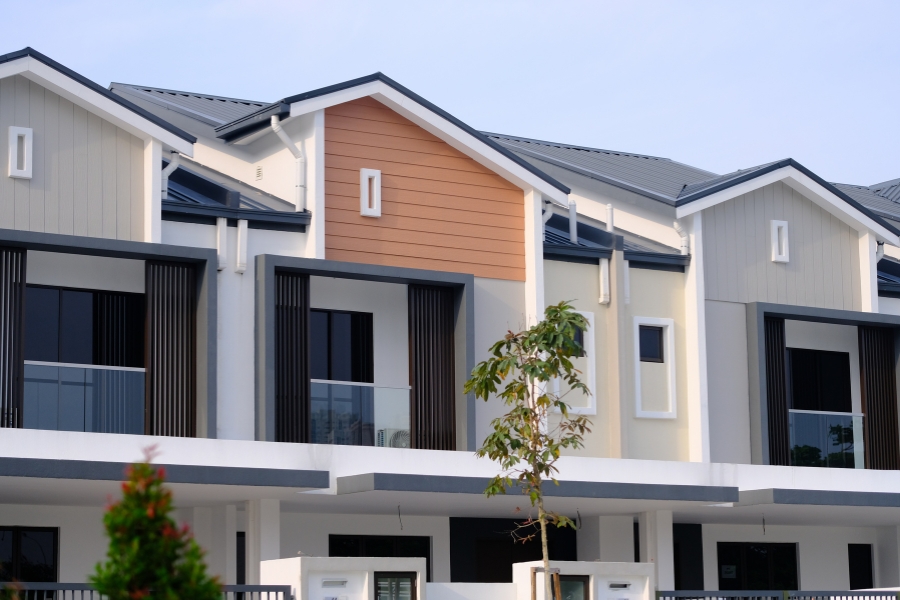
The Main Costs of Buying a Home
Many first-time buyers assume they only need enough money for a down payment. In reality, several costs come together before you receive the keys to your new home.
1. Down Payment
The down payment is the largest upfront expense for most buyers. The amount depends on your loan type, lender requirements, and financial goals.
Common down payment ranges include:
- 3% for certain conventional first-time buyer programs
- 3.5% for FHA loans
- 5% to 10% for many conventional loans
- 20% to avoid private mortgage insurance (PMI)
For example, if you’re purchasing a $750,000 home:
- 3% down = $22,500
- 5% down = $37,500
- 10% down = $75,000
- 20% down = $150,000
Remember that putting 20% down isn’t always necessary. Many buyers purchase homes successfully with smaller down payments.
2. Earnest Money Deposit
After your offer is accepted, you’ll usually provide an earnest money deposit. This demonstrates your commitment to purchasing the home.
In Northern Virginia, earnest money often ranges between 1% and 3% of the purchase price.
For a $700,000 home, that could mean:
- 1% = $7,000
- 2% = $14,000
- 3% = $21,000
The good news is that this money usually applies toward your down payment or closing costs when the transaction is completed.
3. Closing Costs
Closing costs are often overlooked but represent another significant expense.
These costs may include:
- Loan origination fees
- Appraisal
- Credit report
- Title insurance
- Attorney or settlement fees
- Recording fees
- Homeowner’s insurance premium
- Escrow deposits
- Property taxes
Most buyers should expect closing costs to total approximately 2% to 5% of the home’s purchase price.
For a $700,000 home, that could range from approximately:
- $14,000 to $35,000
Some buyers negotiate seller concessions that help offset part of these costs, depending on market conditions.
4. Home Inspection
A professional home inspection helps identify structural issues, roofing problems, plumbing concerns, HVAC defects, electrical issues, and other potential repairs before closing.
Although inspections are optional in some transactions, they’re highly recommended whenever possible.
Inspection costs generally vary depending on:
- Home size
- Age
- Property type
- Additional specialty inspections
Skipping an inspection may save money upfront but could result in much larger repair expenses later.
5. Home Appraisal
If you’re financing your purchase, your lender will usually require an appraisal.
The appraisal confirms that the property’s market value supports the loan amount.
If the appraisal comes in lower than the purchase price, buyers may need to:
- Renegotiate with the seller
- Increase their down payment
- Challenge the appraisal
- Walk away if contract terms allow
6. Moving Expenses
Many buyers forget to budget for moving.
Your moving costs may include:
- Professional movers
- Moving truck rental
- Packing supplies
- Temporary storage
- Utility transfers
- Furniture purchases
- Appliance replacements
These expenses can quickly add up depending on the size of your move.
7. Emergency Savings
Buying a home should not completely drain your savings.
It’s wise to keep an emergency fund available after closing to cover:
- Unexpected repairs
- Appliance replacement
- HVAC maintenance
- Plumbing emergencies
- Medical expenses
- Temporary income changes
Financial experts often recommend maintaining several months of living expenses in savings after purchasing a home.
Read our blog, “What Are the Steps to Buying a House in Virginia?“ and learn everything you need to know before purchasing your dream home.
Monthly Costs Beyond the Purchase Price
Homeownership involves more than your monthly mortgage payment.
Be sure to budget for:
Principal and Interest
This is your actual mortgage payment toward the loan balance.
Property Taxes
Property taxes vary by county and city throughout Northern Virginia.
Homeowners Insurance
Insurance protects your investment against covered losses.
Private Mortgage Insurance (PMI)
If your down payment is below certain thresholds, you may pay PMI until sufficient equity is built.
HOA or Condo Fees
Many Northern Virginia communities have homeowners associations that charge monthly or quarterly fees covering amenities and community maintenance.
Utilities
Homeowners are responsible for:
- Electricity
- Water
- Sewer
- Internet
- Gas
- Trash collection
Maintenance
A good rule of thumb is to budget annually for routine maintenance and repairs to keep your home in excellent condition.
How Much Should You Have Saved?
Every buyer’s financial situation is different, but many successful homebuyers aim to have savings that cover:
- Down payment
- Closing costs
- Earnest money deposit
- Moving expenses
- Initial furniture or appliances
- Emergency reserve after closing
Planning for all these expenses helps reduce financial stress during and after your purchase.
Proudly serving homeowners and home buyers across Chantilly, Centreville, Herndon, Reston, Oakton, Fairfax, Vienna, Sterling, Manassas, Ashburn, South Riding, Aldie, Brambleton, Gainesville, Burke, Annandale, Falls Church, Great Falls, Clifton, Fairfax Station, Haymarket, Leesburg, Tysons, Woodbridge, Occoquan, and surrounding Northern Virginia communities.
Factors That Affect How Much Money You’ll Need
Several personal and market factors determine your total costs.
Your Credit Score
A higher credit score may qualify you for:
- Better mortgage rates
- Lower monthly payments
- More loan options
- Reduced borrowing costs over time
Improving your credit before buying can significantly impact your overall affordability.
Loan Type
Different mortgage programs have different financial requirements.
Examples include:
- Conventional loans
- FHA loans
- VA loans
- USDA loans (where eligible)
- Jumbo loans for higher-priced homes
Each option offers unique benefits depending on your financial situation.
How Income Affects Your Home Buying Budget
Your income is one of the biggest factors lenders consider when determining how much you can borrow. However, just because you qualify for a certain loan amount doesn’t necessarily mean you should spend that much.
A comfortable home budget should leave room for everyday expenses, retirement savings, travel, emergencies, and future goals. It’s better to buy a home that fits your long-term financial plans than to stretch your budget to its limit.
Lenders typically evaluate:
- Your annual household income
- Employment history
- Debt-to-income (DTI) ratio
- Credit score
- Available savings and assets
- Existing monthly debt obligations
If you have student loans, auto loans, or credit card balances, these may affect the amount you can comfortably borrow. Paying down debt before applying for a mortgage can improve your purchasing power and may help you qualify for better loan terms.
Wondering if bad credit will stop you from buying a home? Read “Can I Buy a House with Bad Credit in Virginia?“ to learn your options and the steps you can take to qualify.
What Is Debt-to-Income (DTI) Ratio?
Your debt-to-income ratio compares your monthly debt payments to your gross monthly income. Lenders use this ratio to assess whether you can comfortably manage a mortgage payment.
For example, your monthly debts may include:
- Car payments
- Student loans
- Credit cards
- Personal loans
- Existing mortgages
- Child support or alimony obligations
A lower DTI generally improves your chances of loan approval and may provide access to more competitive interest rates.
First-Time Home Buyer Programs in Northern Virginia
If you’re purchasing your first home, you may qualify for programs designed to reduce upfront costs.
Depending on your eligibility, assistance may include:
- Down payment assistance
- Closing cost assistance
- Low down payment mortgage options
- First-time buyer education programs
- Grants or forgivable loans
- Reduced mortgage insurance requirements
Program availability changes over time and may depend on factors such as your income, the home’s location, and the purchase price. Speaking with a knowledgeable lender or real estate professional can help you identify programs that fit your situation.
Should You Put 20% Down?
Many buyers believe they must save a 20% down payment before purchasing a home. While putting 20% down has advantages, it’s not the only path to homeownership.
Benefits of a Larger Down Payment
- Lower monthly mortgage payments
- Reduced loan balance
- Less interest paid over the life of the loan
- Potentially better loan terms
- Avoiding Private Mortgage Insurance (PMI) on many conventional loans
Benefits of a Smaller Down Payment
- Buy sooner instead of waiting years to save
- Keep more cash available for emergencies
- Maintain flexibility for renovations or furnishings
- Take advantage of current market opportunities
The right down payment depends on your financial goals, available savings, and comfort level. A trusted real estate agent and lender can help you compare different scenarios.
Additional Costs After You Move In
Buying your home is only the beginning. New homeowners should also budget for ongoing expenses that come with maintaining a property.
These may include:
Home Maintenance
Every home requires regular upkeep, such as:
- HVAC servicing
- Roof maintenance
- Plumbing repairs
- Landscaping
- Gutter cleaning
- Exterior painting
- Appliance maintenance
Routine maintenance helps protect your investment and can prevent more expensive repairs later.
Home Improvements
Many buyers choose to personalize their homes after moving in. Common upgrades include:
- Fresh paint
- Flooring updates
- Kitchen improvements
- Bathroom renovations
- Smart home technology
- Energy-efficient appliances
While these upgrades aren’t always necessary immediately, it’s helpful to include them in your long-term budget.
Tips to Save for a Home Faster
Saving for a home may feel overwhelming, especially in a competitive market like Northern Virginia. Breaking the process into manageable steps can make it more achievable.
Create a Dedicated Home Savings Account
Keeping your down payment savings separate from your everyday spending account makes it easier to track progress and avoid unnecessary spending.
Build a Monthly Savings Plan
Set a realistic savings goal and contribute consistently each month. Even modest, regular deposits can add up over time.
Reduce Unnecessary Expenses
Review your monthly budget to identify areas where you can cut back, such as subscriptions, dining out, or impulse purchases. Redirecting those savings toward your home fund can help you reach your goal sooner.
Pay Down High-Interest Debt
Reducing outstanding debt can improve your credit profile, lower your debt-to-income ratio, and increase the amount you may qualify to borrow.
Avoid Major Financial Changes
If you’re planning to buy a home within the next year, try to avoid taking on new loans or making large purchases that could affect your credit or savings.
Common Mistakes Home Buyers Should Avoid
Preparing financially is just as important as finding the right home. Avoiding common mistakes can save you money and reduce stress during the buying process.
Spending Your Entire Savings
It’s tempting to use every dollar for your down payment, but keeping an emergency fund is essential for unexpected expenses after closing.
Forgetting About Closing Costs
Many buyers focus only on the down payment and are surprised by closing costs. Budgeting for these expenses ahead of time helps avoid last-minute financial pressure.
Ignoring Monthly Ownership Costs
Your mortgage payment is only part of the equation. Property taxes, insurance, HOA fees, utilities, and maintenance all contribute to your total monthly housing costs.
Skipping Mortgage Pre-Approval
Getting pre-approved before house hunting gives you a clearer understanding of your budget and shows sellers that you’re a serious buyer.
Not Comparing Loan Options
Different lenders and mortgage programs offer different terms. Comparing your options may help you secure a loan that better fits your financial needs.
Why Working With a Local Real Estate Agent Matters
Northern Virginia’s housing market can move quickly. An experienced local real estate agent can help you make informed decisions throughout the process.
A knowledgeable agent can:
- Explain current market conditions
- Help determine a realistic budget
- Recommend trusted local lenders
- Negotiate on your behalf
- Guide you through inspections and closing
- Help you understand neighborhood trends
- Identify homes that match your goals and budget
Having expert guidance can make the home-buying experience smoother and more confident, especially if you’re purchasing your first home.
Home Buying Budget Checklist
Before you start touring homes or making offers, it’s helpful to create a complete budget that covers every stage of the buying process. Having a clear financial plan can make the experience smoother and help you avoid unexpected costs.
Use this checklist as a starting point:
- Save for your down payment.
- Set aside money for closing costs.
- Budget for your earnest money deposit.
- Plan for home inspections and appraisals.
- Keep funds available for moving expenses.
- Maintain an emergency savings fund after closing.
- Estimate your monthly mortgage payment.
- Include property taxes and homeowners insurance.
- Account for HOA or condo fees if applicable.
- Budget for utilities and ongoing maintenance.
- Get pre-approved for a mortgage before house hunting.
- Compare loan programs and interest rates.
- Work with an experienced Northern Virginia real estate agent.
Completing this checklist before you begin your search can help you make confident decisions and reduce financial stress throughout the buying process.
Is 2026 a Good Time to Buy a Home in Northern Virginia?
Every real estate market has its own opportunities and challenges, and 2026 is no exception. While home prices in Northern Virginia remain higher than the national average, the region continues to offer long-term value thanks to its strong economy, stable employment opportunities, and desirable communities.
If you’re financially prepared, have stable income, and plan to stay in your home for several years, buying can be a smart long-term investment. Instead of trying to perfectly time the market, focus on purchasing a home that fits your budget, lifestyle, and future goals.
Remember, the right time to buy is when you’re financially ready—not simply when market conditions seem ideal.
Final Thoughts
Buying a home in Northern Virginia in 2026 requires more than saving for a down payment. From closing costs and inspections to moving expenses and ongoing homeownership costs, understanding the complete financial picture helps you prepare with confidence.
Every buyer’s situation is unique. Your savings, income, credit score, loan type, and long-term goals all influence how much money you’ll need. Taking the time to build a realistic budget, improve your financial profile, and explore available mortgage options can make the home-buying process much less stressful.
Whether you’re a first-time buyer or looking to move into your next home, careful planning today can help you enjoy a smoother purchase and greater financial peace of mind in the years ahead.
Ready to Buy a Home in Northern Virginia?
If you’re planning to buy a home in Northern Virginia, having an experienced local real estate professional by your side can make all the difference. From understanding today’s market to estimating your buying budget, exploring neighborhoods, negotiating offers, and navigating the closing process, expert guidance can help you make informed decisions every step of the way.
Whether you’re buying your first home, relocating, or upgrading to a larger property, we’re here to answer your questions and help you move forward with confidence. Reach out today to discuss your goals and start your home-buying journey with trusted local expertise.
Ready to make your next move? Contact Paul Sneeringer for personalized real estate advice and expert support every step of the way.
Frequently Asked Questions
1. How much money should I save before buying a home in Northern Virginia?
The amount varies depending on the home’s price, your loan type, and your financial situation. In addition to your down payment, you should budget for closing costs, inspections, moving expenses, and an emergency fund after closing.
2. Can I buy a home with less than a 20% down payment?
Yes. Many mortgage programs allow qualified buyers to purchase a home with significantly less than 20% down. Your lender can help determine which loan options best fit your financial situation.
3. What are the biggest upfront costs when buying a home?
The primary upfront costs typically include the down payment, earnest money deposit, closing costs, home inspection, appraisal fees, and moving expenses. Planning for these costs ahead of time helps avoid surprises during the buying process.
4. Why should I work with a local Northern Virginia real estate agent?
A local real estate agent understands neighborhood trends, current market conditions, pricing strategies, and the home-buying process in Northern Virginia. Their expertise can help you find the right home, negotiate effectively, and navigate the transaction with confidence.