Buying a home is one of the biggest financial decisions you’ll ever make. After finding the right property and having your offer accepted, you’re one step closer to becoming a homeowner. However, before you reach the closing table, there’s one important step you shouldn’t overlook—the home inspection.
A home inspection provides a detailed evaluation of a property’s condition and can reveal issues that may not be visible during a showing. While a home may appear perfect on the surface, hidden problems with the roof, foundation, plumbing, electrical system, or HVAC could lead to costly repairs after you move in.
Whether you’re purchasing your first home or adding another property to your portfolio, understanding what happens during a home inspection can help you make informed decisions and avoid unexpected surprises.
In this guide, we’ll explain what a home inspection includes, provide a complete home inspection checklist, discuss common warning signs, and share tips to help buyers confidently move toward closing.
What Is a Home Inspection?
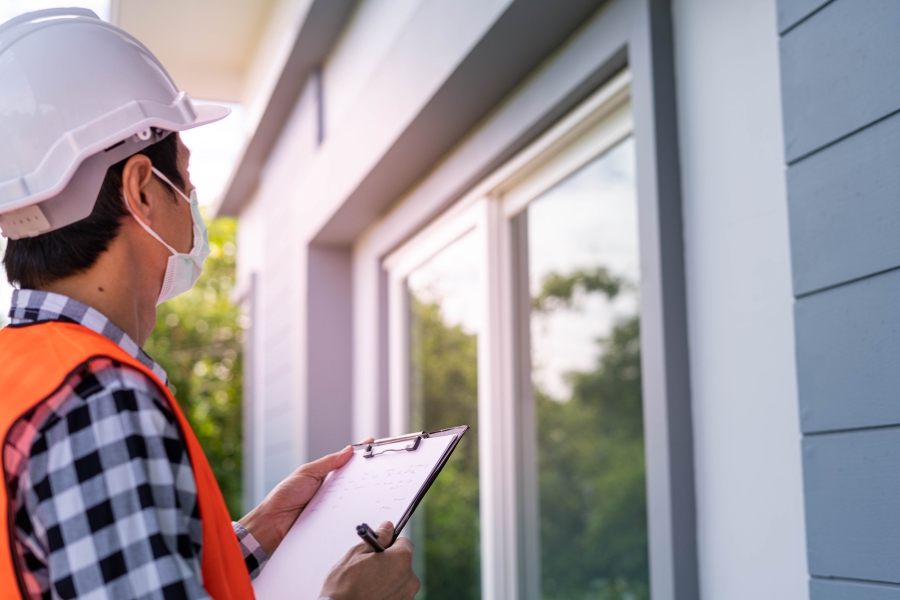
A home inspection is a professional evaluation of a property’s visible and accessible components. During the inspection, a licensed home inspector examines the home’s major systems and structural elements to identify existing issues, maintenance concerns, and potential safety hazards.
The goal isn’t to determine whether the home is perfect—every home has wear and tear—but rather to give buyers a clear understanding of the property’s current condition before finalizing the purchase.
Once the inspection is complete, the inspector provides a written report detailing their findings. Buyers can then use this information to decide whether to move forward with the purchase, request repairs, negotiate credits, or, depending on the contract, reconsider the transaction.
Why a Home Inspection Is So Important
Skipping a home inspection may save time upfront, but it can become much more expensive later if hidden issues are discovered after closing.
A professional inspection can help you:
- Identify major structural problems.
- Detect safety concerns.
- Estimate future maintenance costs.
- Avoid unexpected repair expenses.
- Gain peace of mind before purchasing.
- Strengthen your negotiation position.
- Better understand how the home has been maintained.
Even newly built homes can benefit from an inspection, as construction defects or incomplete work can occasionally occur.
Request your free home valuation today and take the first step toward understanding what your home is truly worth.
When Does the Home Inspection Take Place?
The inspection usually takes place after the seller accepts your offer but before the closing date. During this period, buyers have an opportunity to evaluate the home’s condition while still having options under the purchase agreement.
Whenever possible, buyers should attend the inspection. Walking through the home with the inspector allows you to ask questions, learn about the property’s systems, and better understand any issues identified in the report.
Home Inspection Checklist
A thorough inspection covers many areas of the home. Below are some of the most important components that buyers should pay attention to.
1. Foundation and Structure
The foundation supports the entire home, making it one of the most critical areas to inspect.
The inspector will look for:
- Foundation cracks
- Uneven floors
- Wall movement
- Structural settling
- Signs of water intrusion
- Damaged support beams
- Basement moisture
- Crawl space concerns
Small cosmetic cracks are often normal, but larger structural issues may require further evaluation by a structural engineer.
2. Roof
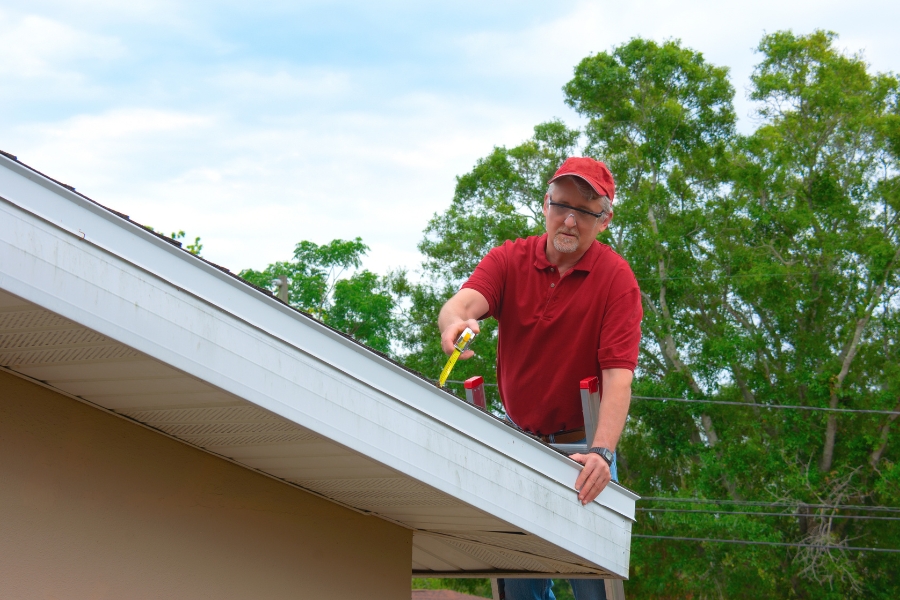
Roof repairs can be expensive, so understanding the roof’s condition is essential.
Inspectors typically examine:
- Missing shingles
- Damaged flashing
- Roof leaks
- Sagging areas
- Roof ventilation
- Chimney flashing
- Gutters and downspouts
- Estimated remaining roof life
A roof nearing the end of its lifespan doesn’t necessarily mean you shouldn’t buy the home, but it should be factored into your future maintenance budget.
3. Exterior
The home’s exterior protects it from weather and moisture.
Inspectors evaluate:
- Siding condition
- Exterior paint
- Brick or stone damage
- Windows
- Exterior doors
- Decks
- Patios
- Driveways
- Walkways
- Drainage around the home
Poor drainage can eventually lead to foundation problems if left unaddressed.
4. Plumbing System
Plumbing issues can range from minor leaks to significant repairs.
The inspection usually includes:
- Water pressure
- Visible plumbing lines
- Leaks
- Water heater
- Faucets
- Toilets
- Sinks
- Shower fixtures
- Drainage
- Pipe materials
Older homes may have outdated plumbing materials that buyers should be aware of before closing.
5. Electrical System
Electrical safety is a major part of every home inspection.
Inspectors examine:
- Electrical panel
- Circuit breakers
- Wiring condition
- Grounding
- GFCI outlets
- Light switches
- Ceiling fixtures
- Smoke detectors
- Carbon monoxide detectors
Electrical deficiencies can present safety risks and should be reviewed carefully.
6. Heating and Cooling (HVAC)
A functioning HVAC system is essential for year-round comfort.
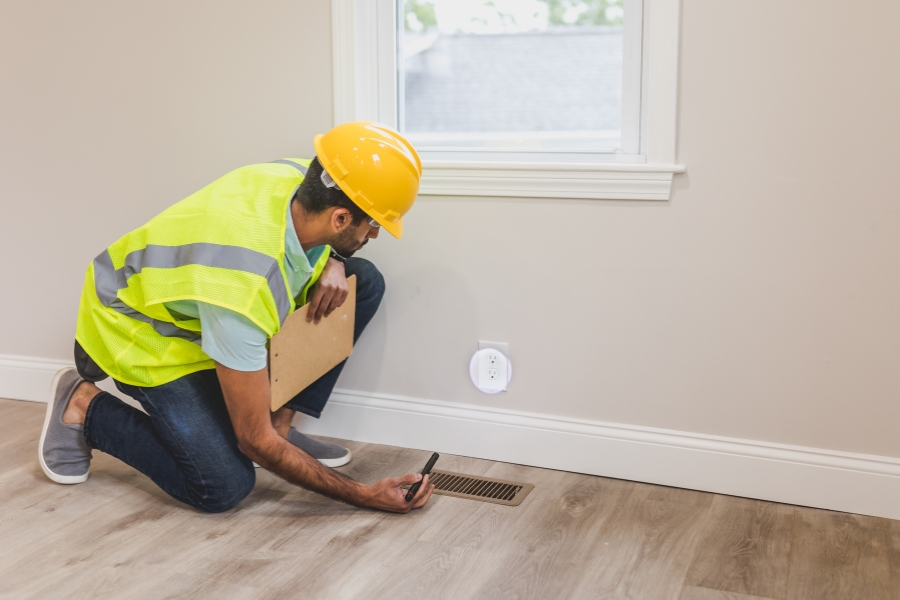
The inspector checks:
- Furnace operation
- Air conditioning system
- Air filters
- Thermostat
- Ductwork
- Ventilation
- Visible system damage
- Estimated equipment age
Older HVAC systems may still function properly but could require replacement sooner than newer units.
7. Windows and Doors
Windows and doors affect energy efficiency, security, and comfort.
Inspectors evaluate:
- Proper operation
- Broken seals
- Drafts
- Locks
- Weather stripping
- Window frames
- Moisture damage
Replacing windows can be a significant expense, so understanding their condition is important.
8. Attic and Insulation
The attic can reveal many hidden issues that aren’t visible elsewhere.
Inspectors look for:
- Adequate insulation
- Roof leaks
- Ventilation
- Mold
- Pest activity
- Moisture
- Structural concerns
Proper insulation can improve energy efficiency and reduce utility costs throughout the year.
9. Interior Walls, Ceilings, and Floors
Once the inspector moves inside the home, they’ll carefully examine the overall condition of the interior. While cosmetic issues like worn paint or minor scuffs are common, the goal is to identify signs of larger structural or moisture-related problems.
The inspector will typically check:
- Cracks in walls or ceilings
- Uneven or sloping floors
- Water stains
- Signs of previous repairs
- Damaged drywall
- Loose flooring
- Hardwood, tile, or carpet condition
- Ceiling discoloration
Minor cosmetic imperfections are expected in many homes, but large cracks, sagging ceilings, or widespread water damage may warrant further investigation.
10. Kitchen Inspection
The kitchen is one of the most frequently used areas of any home, making it an important part of the inspection.
A home inspector may evaluate:
- Cabinets and drawers
- Countertops
- Sink and faucet
- Garbage disposal
- Dishwasher
- Range and oven
- Built-in microwave
- Exhaust fan
- Plumbing connections
- Visible leaks
- GFCI electrical outlets
While inspectors test the basic operation of built-in appliances, they generally do not assess long-term performance or warranty coverage.
11. Bathroom Inspection
Bathrooms are especially susceptible to moisture-related issues.
During the inspection, attention is given to:
- Toilets
- Showers and bathtubs
- Sinks
- Water pressure
- Drainage
- Ventilation fans
- Caulking around tubs and showers
- Signs of mold or mildew
- Water damage beneath sinks
- Loose or damaged tiles
Proper ventilation is particularly important, as excess humidity can lead to mold growth over time.
12. Basement and Crawl Space
If the home has a basement or crawl space, these areas deserve close attention because they can reveal hidden structural or moisture problems.
Inspectors typically look for:
- Standing water
- Dampness
- Foundation cracks
- Mold
- Wood rot
- Pest activity
- Proper insulation
- Structural supports
- Plumbing leaks
Even if these spaces are unfinished, they provide valuable information about the overall condition of the home.
13. Garage
The garage is another area included in most inspections.
Items commonly inspected include:
- Garage doors
- Automatic door openers
- Safety sensors
- Concrete floor condition
- Wall damage
- Ceiling condition
- Fire separation (when applicable)
- Electrical outlets
- General structural condition
If the garage is attached to the home, inspectors also evaluate features designed to improve fire safety between the garage and living space.
14. Exterior Drainage and Grading
Proper drainage helps protect the home’s foundation from water damage.
Inspectors check:
- Yard grading
- Water runoff
- Downspout placement
- Drainage around the foundation
- Soil erosion
- Standing water after rainfall
Poor drainage may contribute to basement moisture or foundation movement over time.
Common Home Inspection Red Flags
Not every issue discovered during an inspection is a deal breaker. Many findings involve normal maintenance or routine repairs. However, some problems deserve closer attention because they can be expensive or affect the safety of the home.
Some of the most common red flags include:
Foundation Problems
Large cracks, shifting, or structural movement can indicate significant foundation issues that may require specialized repairs.
Roof Damage
An aging or leaking roof may need replacement sooner than expected, adding a major future expense.
Electrical Hazards
Outdated wiring, overloaded electrical panels, or improper installations can present serious safety concerns.
Plumbing Issues
Hidden leaks, corroded pipes, or sewer line problems can become costly if left unaddressed.
HVAC Problems
Heating and cooling systems nearing the end of their lifespan may require replacement shortly after you move in.
Water Damage
Evidence of previous leaks, moisture intrusion, or mold should always be investigated further to determine the source and extent of the problem.
Pest Damage
Termites, carpenter ants, rodents, or other pests can cause structural damage and may require treatment before closing.
What Happens After the Inspection?
After completing the inspection, you’ll receive a detailed report outlining the inspector’s observations. This report often includes written descriptions and photographs of any issues identified.
Once you’ve reviewed the report with your real estate agent, you typically have several options.
Move Forward Without Requesting Repairs
If the inspection reveals only minor issues, you may decide to proceed with the purchase as planned.
Request Repairs
If more significant concerns are identified, you can ask the seller to complete specific repairs before closing.
Common repair requests include:
- Roof repairs
- Plumbing leaks
- Electrical corrections
- HVAC servicing
- Structural fixes
- Safety-related repairs
The seller may agree, negotiate, or decline depending on the terms of the contract and current market conditions.
Request a Credit
Instead of asking the seller to make repairs, buyers sometimes request a closing cost credit or price adjustment.
This allows you to complete the repairs yourself after taking ownership of the home.
Many buyers prefer this option because they can choose their own contractors and oversee the quality of the work.
Renegotiate the Purchase
If the inspection uncovers unexpected major issues, buyers and sellers may renegotiate the purchase price or other contract terms.
This can help account for future repair costs while keeping the transaction moving forward.
Walk Away (If Allowed by the Contract)
If serious problems are discovered and an agreement cannot be reached, some purchase contracts allow buyers to withdraw during the inspection contingency period.
Understanding your contract deadlines and contingency terms is essential, so discuss your options with your real estate agent before making any decisions.
What a Home Inspection Doesn’t Cover
A standard home inspection is comprehensive, but it does have limitations.
Depending on the property, additional specialized inspections may be recommended for:
- Radon
- Mold
- Termites and wood-destroying insects
- Septic systems
- Wells
- Swimming pools
- Chimneys
- Sewer lines
- Environmental hazards
If your inspector notices potential concerns in any of these areas, they may recommend a specialist for a more detailed evaluation.
Tips for Buyers Before the Home Inspection
A home inspection is more than just a requirement in the buying process—it’s an opportunity to learn about your future home. Being prepared can help you get the most value from the inspection and better understand the property’s condition.
Here are a few tips before inspection day:
Attend the Inspection
Whenever possible, be present during the inspection. Walking through the property with the inspector allows you to ask questions, see any concerns firsthand, and learn about the home’s systems and maintenance needs.
Review the Seller’s Disclosures
If the seller has provided disclosures about previous repairs or known issues, review them before the inspection. This information can help you ask informed questions and compare the inspector’s findings.
Prepare a List of Questions
Think about anything you’ve noticed during previous visits, such as unusual noises, signs of moisture, or aging appliances. Ask the inspector to pay special attention to those areas.
Keep an Open Mind
Remember that no home is perfect. Even newly built homes may have minor issues. Focus on identifying major structural, mechanical, or safety concerns rather than expecting a flawless report.
Questions to Ask Your Home Inspector
The inspection report can contain a lot of information, so don’t hesitate to ask questions. Understanding the findings will help you make informed decisions.
Consider asking:
- What are the biggest concerns with this property?
- Are any repairs urgent?
- Which issues are routine maintenance?
- Are there signs of water damage or mold?
- How old are the roof and HVAC system?
- Are the electrical and plumbing systems functioning properly?
- Should any specialist inspect certain areas further?
- What maintenance should I plan for during the first year?
The more you understand about the home’s condition, the better prepared you’ll be after closing.
Home Inspection Tips for First-Time Buyers
If this is your first home purchase, the inspection process may feel overwhelming. Keeping these tips in mind can help make the experience easier.
Don’t Focus Only on Cosmetic Issues
Scuffed paint, worn carpet, or outdated fixtures are usually inexpensive to update. Give greater attention to structural components and major systems.
Think Long-Term
Even if a home is in good condition today, consider the remaining lifespan of major components like the roof, furnace, air conditioner, and water heater. Planning ahead can help you budget for future maintenance.
Understand the Difference Between Repairs and Upgrades
An inspection identifies defects and maintenance concerns—not whether the home’s finishes match your personal style. Cosmetic upgrades can often wait until after you’ve moved in.
Work Closely With Your Real Estate Agent
Your real estate agent can help you understand which inspection findings are common, which deserve further attention, and how to approach repair requests or negotiations with the seller.
Final Home Inspection Checklist
Before closing on your new home, make sure you’ve completed the following:
- Attend the home inspection if possible.
- Carefully review the inspection report.
- Discuss the findings with your real estate agent.
- Understand the condition of the roof, foundation, plumbing, electrical, and HVAC systems.
- Identify any major safety concerns.
- Request repairs or negotiate credits if necessary.
- Schedule any recommended specialty inspections.
- Review estimates for significant repairs if applicable.
- Confirm agreed-upon repairs are completed before closing.
- Complete a final walk-through before settlement.
Taking these steps can help you move into your new home with greater confidence and fewer surprises.
Final Thoughts
A home inspection is one of the most valuable steps in the home-buying process. It gives you a clearer picture of the property’s condition, helps you identify potential repair costs, and provides important information before you finalize one of the biggest investments you’ll ever make.
While every inspection report will include some maintenance items, the key is understanding which issues are routine and which require immediate attention. A thorough inspection, combined with guidance from an experienced real estate professional, can help you make informed decisions and avoid unexpected expenses after closing.
By taking the time to review the inspection report carefully, ask questions, and negotiate when necessary, you’ll be better prepared for homeownership and more confident in your purchase.
Need Guidance Through the Home Buying Process?
Buying a home involves many important decisions, and the home inspection is just one piece of the journey. Whether you’re purchasing your first home or your next one in Northern Virginia, working with an experienced local real estate professional can help you navigate inspections, negotiate repairs, and move toward closing with confidence.
If you’re ready to start your home search or have questions about buying a home in Northern Virginia, we’re here to help. Contact us today to receive expert guidance and personalized support every step of the way.
Frequently Asked Questions
1. Is a home inspection required when buying a home?
A home inspection is not always legally required, but it is highly recommended. It provides valuable information about the property’s condition and can help you avoid unexpected repair costs after closing.
2. Can a home inspection help me negotiate with the seller?
Yes. If the inspection uncovers significant issues, you may be able to negotiate repairs, request a credit toward closing costs, or discuss a price adjustment depending on your purchase agreement.
3. Should I attend the home inspection?
Yes. Attending the inspection allows you to see the home’s condition firsthand, ask questions, and learn about ongoing maintenance directly from the inspector.
4. What happens if the home inspection finds major problems?
Finding major issues doesn’t automatically mean the deal is over. Depending on your contract, you may negotiate repairs, request financial concessions, seek additional inspections, or, if necessary, exercise your inspection contingency rights.