

The home inspection report has arrived, and the mood has officially shifted. What was once an exciting journey toward homeownership (or a smooth path to cashing out) suddenly feels like a high-stakes legal battle. The buyer is staring at a 50-page document detailing every minor flaw, while the seller is feeling defensive about the house they’ve called home for years.
Negotiating home inspection demands is one of the most delicate phases of a real estate transaction. Mismanage it, and the deal falls through. Handle it with strategy, and both sides walk away satisfied.
Whether you are a buyer trying to protect your investment or a seller trying to protect your equity, here is your playbook for navigating inspection negotiations successfully.
Understanding the Purpose of a Home Inspection
Before diving into negotiations, it is essential to understand what a home inspection entails and what it does not.
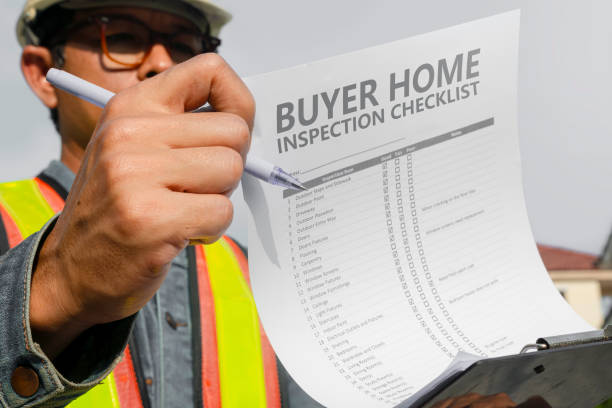
An inspection is not a tool to force a seller to deliver a brand-new, flawless house. Its primary purpose is to uncover material defects, safety hazards, and structural issues that were not visible during the initial walkthrough.
What to Focus On
- Structural Integrity: Foundation cracks, sagging roof trusses, or framing issues.
- Major Systems: Aging or non-functioning HVAC, outdated electrical panels (like Federal Pacific), and failing water heaters.
- Safety Hazards: Mold, radon, asbestos, termites, or faulty wiring.
- Water Damage: Active leaks, roof damage, or grading issues causing basement flooding.
What to Ignore
- Cosmetic flaws (e.g., chipped paint, stained carpets, outdated fixtures).
- Normal wear and tear.
- Minor DIY fixes (e.g., loose doorknobs, a sticky window).
The Buyer’s Playbook: How to Ask for What You Need
As a buyer, your goal is to ensure you aren’t inheriting a money pit. However, if you hand the seller a laundry list of 40 tiny demands, they are likely to dig their heels in or walk away entirely.
1. Categorize the Issues (The Three-Bucket System)
When you receive the report, divide the findings into three categories:
- Bucket 1: Deal-Breakers (Safety & Structural). These are non-negotiable. If the roof leaks or the electrical system is a fire hazard, you must address it.
- Bucket 2: Negotiables (Mid-range costs). Items like a broken built-in microwave or a cracked window pane. You can request these, but be prepared to make some compromises.
- Bucket 3: The Honey-Do List. Loose hinges, dirty air filters, or cosmetic issues. Keep these to yourself and fix them after you move in.
2. Request Credits Instead of Physical Repairs
Whenever possible, ask for a seller credit toward your closing costs or a reduction in the purchase price rather than asking the seller to fix the issue themselves.

Why credits are better for buyers: Sellers want to spend as little money as possible on a house they are leaving. They may hire the cheapest contractor available or use a subpar DIY fix. By taking a credit, you control the budget, choose the contractor, and ensure the work is done to your standards.
3. Use Evidence to Back Your Demands
Get a quote from a licensed HVAC technician. Presenting your demand alongside a formal contractor estimate makes it incredibly difficult for the seller to argue that your number is arbitrary.
The Seller’s Playbook: How to Protect Your Bottom Line
Receiving a hefty repair request can feel like a personal attack. Take a deep breath. This is business, not a critique of your lifestyle. Your goal is to keep the deal together without giving away all your profit.
1. Review Your Local Disclosure Laws
Before you flat-out reject a buyer’s demand, remember that once you are made aware of a material defect (like mold or foundation failure) via an inspection report, you are legally obligated to disclose it to any future buyers if this current deal falls through. Sometimes, it is cheaper to fix the problem for this buyer than to go back on the market with a newly flawed disclosure form.
2. Offer an Alternative Solution
You can offer a counter-strategy:
- Offer partial credit
- Offer to pay for a one-year home warranty that covers major systems if they fail.
- Offer to fix only the true safety hazards and decline the rest.
3. Know When to Hold Your Ground
If you are in a hot seller’s market or have backup offers waiting, you have more leverage. If the buyer is nitpicking small items, your agent can politely remind them that the home was priced to reflect its current condition.
Key Negotiation Strategies for Both Sides
Regardless of which side of the closing table you sit on, these universal negotiation principles apply:
Keep Emotions Out of It
The quickest way to kill a real estate deal is through ego. Phrases like “How dare they ask for that” or “They are trying to rip me off” serve no one. Keep communication focused strictly on numbers, contract terms, and safety.

Understand Market Conditions
Leverage shifts depending on the local real estate climate:
- In a Buyer’s Market: Buyers can afford to be stricter with their demands because they have other options. Sellers should be more accommodating.
- In a Seller’s Market: Sellers hold the cards. Buyers should strictly stick to major safety and structural issues, or risk the seller canceling the contract to take a backup offer.
Trust Your Real Estate Agent
Your agent is your buffer. They negotiate for a living and understand what is customary in your specific market. Let them handle the tough conversations and advise you on what is reasonable.
Comparison: Repairs vs. Price Reductions vs. Closing Credits
When structuring your counter-offer, consider how the money moves. Here is a quick breakdown of how these three options impact both parties:
| Option | Pros for Buyer | Cons for Buyer | Pros for Seller | Cons for Seller |
| Seller Agrees to Repair | Work is done before move-in; no out-of-pocket cost. | Quality of work may be low or rushed. | Keeps the purchase price high. | Must manage contractors during a stressful move. |
| Price Reduction | Lowers the overall loan amount and monthly payment. | Does not provide immediate cash to fix the problem. | No out-of-pocket cash required upfront. | Lowers the final comparable sales price. |
| Closing Cost Credit | Keep cash in your pocket at closing to use for repairs. | Limited by lender caps on seller concessions. | Easy to process; no contractor management. | Reduces the net cash walked away with at closing. |
Conclusion
A successful inspection negotiation doesn’t mean one party defeated the other. A true win-win looks like this: the buyer feels secure that the home is safe and structurally sound, and the seller feels they received a fair price for their property without being nickel-and-dimed.
Focus on the big picture, rely on contractor quotes rather than emotions, and keep your eyes on the ultimate prize: a smooth closing day.